

The Ultimate Spring Thaw Checklist for Canadian Homeowners
After a long Canadian winter, the spring thaw can feel like a relief, but it also brings new challenges for homeowners. Melting snow, shifting ground, and months of cold weather can leave behind hidden damage that isn’t always obvious at first glance. From basement leaks to roof issues and clogged drains, this seasonal transition is the perfect time to inspect your home and catch problems early. A little attention now can prevent expensive repairs later in the year. This checklist walks through the most important areas to review once the snow starts to melt.
Inspect the Foundation and Basement
Spring thaw in Canada often brings excess moisture into the ground, which can put pressure on your home’s foundation. This is the time when small cracks or weak points can start letting water in. Basements are especially vulnerable. Look for damp spots, peeling paint, or musty smells that may indicate moisture intrusion. Even minor leaks should be addressed quickly because they can worsen as the soil continues to shift. Keeping gutters and downspouts clear also helps direct water away from your foundation, reducing the risk of flooding or seepage.
Check Your Roof for Winter Damage

One of the first places to inspect during the spring thaw is your roof. Heavy snow, ice buildup, and freezing temperatures can loosen shingles, damage flashing, or create weak spots that may lead to leaks. As the snow melts, these issues often reveal themselves through water stains or damp areas inside the home. Even if everything looks fine from the ground, it’s worth taking a closer look or hiring a professional for a full inspection. Catching roof damage early can prevent water from seeping into your attic or walls during spring rains.
Clear Out Gutters and Drainage Systems
After months of snow and ice, gutters are often filled with debris such as leaves, twigs, and ice buildup. If they aren’t cleared properly, melting snow can overflow and cause water to pool around your home. This is one of the most important spring maintenance tasks because proper drainage protects both your roof and foundation. Make sure water is flowing freely through downspouts and away from the house. A simple cleaning now can prevent costly water damage later in the season.
Check for Driveway and Walkway Cracks
Freeze-thaw cycles can be tough on concrete and asphalt. As temperatures rise, cracks that formed during winter often become more visible in driveways, sidewalks, and steps. These cracks might seem minor at first, but they can expand over time as water seeps in and freezes again. Repairing them early helps maintain safety and prevents further structural damage. Spring is the ideal time to assess hard surfaces around your property before small issues turn into larger repairs.
Inspect Windows and Doors for Drafts

Winter weather can cause seals around windows and doors to weaken or shift. As a result, you may notice drafts or difficulty maintaining indoor temperatures during early spring. Checking for gaps, worn weather stripping, or condensation buildup can help identify areas that need attention. Improving seals not only increases comfort but also helps reduce energy costs as temperatures fluctuate. This is a simple but effective step in transitioning your home out of winter mode.
Test Outdoor Systems and Equipment
Once the snow is gone, it’s a good idea to test outdoor systems, such as garden hoses, irrigation lines, sump pumps, and exterior lighting. Cold weather can cause hidden damage that only becomes obvious when you try to use them again. Turning everything on early in the season gives you time to fix or replace anything that isn’t working properly. It also ensures your home is ready for spring rains and summer use. Taking a proactive approach here helps avoid last-minute surprises.
Spring thaw is more than just a change in weather—it’s a critical time for home maintenance in Canada. The effects of winter can linger long after the snow melts, and small issues can quickly turn into expensive repairs if ignored. By checking your roof, foundation, drainage systems, exterior surfaces, and indoor seals, you can catch problems early and keep your home in good condition.…
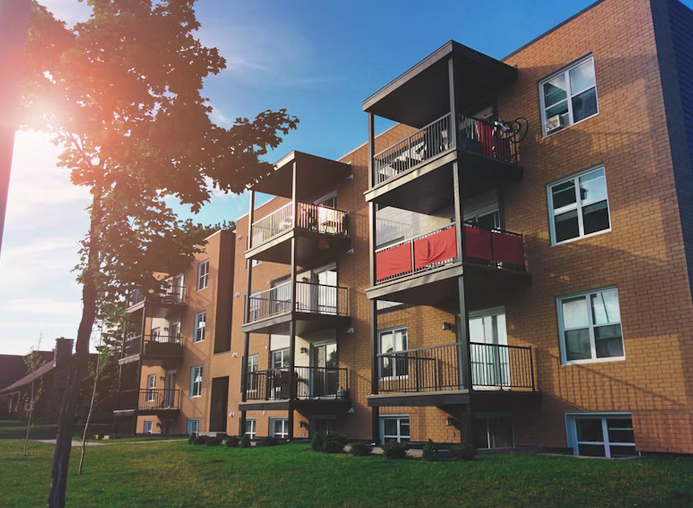
 Amenities have always influenced condo purchases, but the checklist is evolving. Buyers now prioritize essentials that support daily routines rather than flashy extras. Fitness centers, coworking lounges, and reliable package delivery rooms top the list. Pools and party spaces still appeal, but many buyers are cautious about paying fees for amenities they rarely use. A real estate influencer once told me that he bought into a building with three lounges, only to laugh later that he never once hosted a gathering there. Practicality has become a strong guiding factor. Developers in Scarborough are responding with balanced offerings. Instead of grand but empty features, they’re investing in amenities that see regular use and actually improve residents’ daily lives.




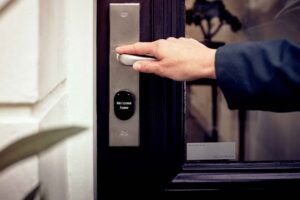 Upgrading your locks is one of the simplest yet most effective ways to enhance your home’s security. Traditional locks can be vulnerable, making it easy for intruders to gain access. Consider investing in deadbolts, which provide an additional layer of protection. They are sturdier and resist forced entry much better than standard doorknob locks. Smart locks have gained popularity recently. These high-tech options let you control access remotely via smartphone apps. You can monitor who enters your home and even grant temporary access to guests or service providers without needing physical keys. Don’t forget about secondary entrances like sliding doors and basement windows. Ensure these areas also feature reliable locking mechanisms. A comprehensive approach will make a significant difference in securing all potential entries into your home.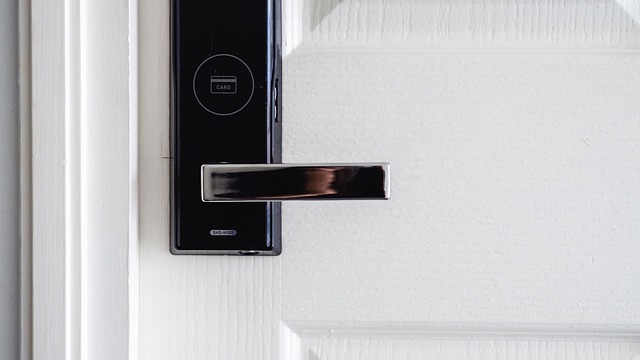






 Bringing your pet into your apartment means that you have to be prepared for regular cleaning and maintenance. A carpet cleaner is essential for getting the most out of your carpets, as it helps eliminate pesky pet odors and keeps them looking good as new. Look for a machine with specific settings for pet-related messes, or consider purchasing a good quality steam cleaner.
 When shopping for a mortgage refinance lender, it’s important to compare interest rates and fees. You want to make sure you’re getting the best deal possible. The best way to compare interest rates is to look at APR (annual percentage rate). This includes the interest rate plus any fees charged by the lender. The lower the APR, the better.
 Unfortunately, there are some disreputable
 When looking for a home loan, you want to find a lender who is responsive to the needs of their clients. You should be able to get in touch with your lender quickly, and they should be available to answer any questions you may have. A suitable lender will also update you on your loan status and let you know if there are any changes.
 Finding a home loan lender with a good reputation is also important. You can research lenders online and read customer reviews to understand what others have experienced. You can also ask your friends or family if they have any recommendations. Once you have found a few lenders that you are interested in, you can contact them and ask about their services.